
Since June 2024, Asma Wajid Mujawar from Bisur village in Miraj taluka of Sangli district, Western Maharashtra, has been actively associated with CORO India through the Women’s Equal Property Rights initiative. While mobilising women and facilitating discussions on inheritance rights, she realised that true leadership demanded beginning with her own life. For Asma, this meant doing something that many women in her community hesitate to even imagine — asking for her rightful share in her parental property.
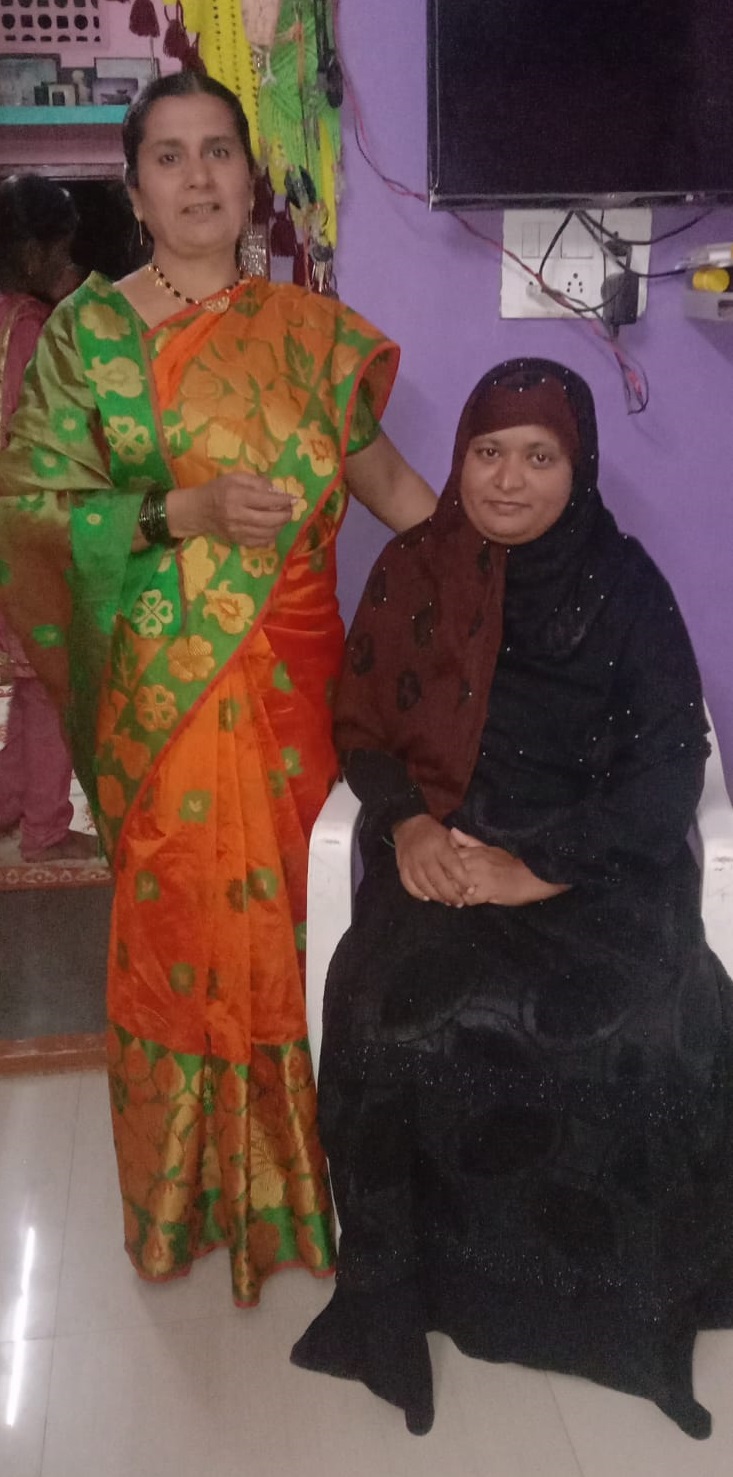
As a Muslim woman, the thought of raising the issue of inheritance in her natal home brought fear and emotional turmoil. She worried that her family might misunderstand her intentions, assume that she was facing harassment in her marital home, or feel that she was breaking social norms. There was also the deep-seated fear that speaking about property could strain or even sever family ties. These internal conflicts stayed with her for months as she continued her community work on women’s property rights.
One day, during a visit to her parental home where her parents, brother, sister-in-law, and their two children live together, Asma decided to initiate the conversation. In a calm and respectful tone, she asked her father, “If I ask you for something, will you give it to me without hurting me or causing any trouble?” She asked the same question to her mother and brother. Her words created an immediate silence in the room. Their faces reflected concern; they wondered whether she was facing difficulties in her marital home or whether someone had influenced her to raise such a matter.
Sensing their anxiety, Asma clarified that there was no pressure from her husband or in-laws. She explained that through her work she had come to understand the importance of women claiming their rights, and she felt it was important to practice what she advocated. She then clearly expressed that she wanted her rightful share in the family property.
Her father listened carefully. He admitted that he did not know the exact technicalities of Muslim inheritance law, but he shared something unexpected — he had already discussed property division with his wife and son earlier. He stated firmly that both his children would receive equal shares in his property. He reassured Asma that her raising the issue had not offended him, and that even if her brother had objected, he would still have supported her right. When asked directly, her brother expressed no objection. Asma also ensured that her sister-in-law’s opinion was heard; she too agreed.
The family property consisted of a house valued at approximately INR 30 lakhs and eight gunthas of land. Asma and her brother are the only two siblings. On 23 September 2025, after completing all legal formalities, the property was officially registered before the appropriate authority, and half the share was transferred into Asma’s name. Contrary to her fears, family relationships remained warm and unchanged. Respect and affection continued as before.
Asma shared her personal view that, based on her experiences, traditional interpretations of Shariat grant daughters a smaller inheritance share than sons—and that in practice, many women do not even receive that lesser share. In her own case, however, Asma’s family consciously chose to practice equality, setting a powerful example within their community.
Encouraged by this experience, Asma decided to take another significant step — to ensure her name was included in her husband’s ancestral property as well. This process proved more complex. While her husband stood firmly by her side, some extended family members, particularly her mother-in-law and elder brother-in-law, resisted the idea of dividing the ancestral property during the mother-in-law’s lifetime.
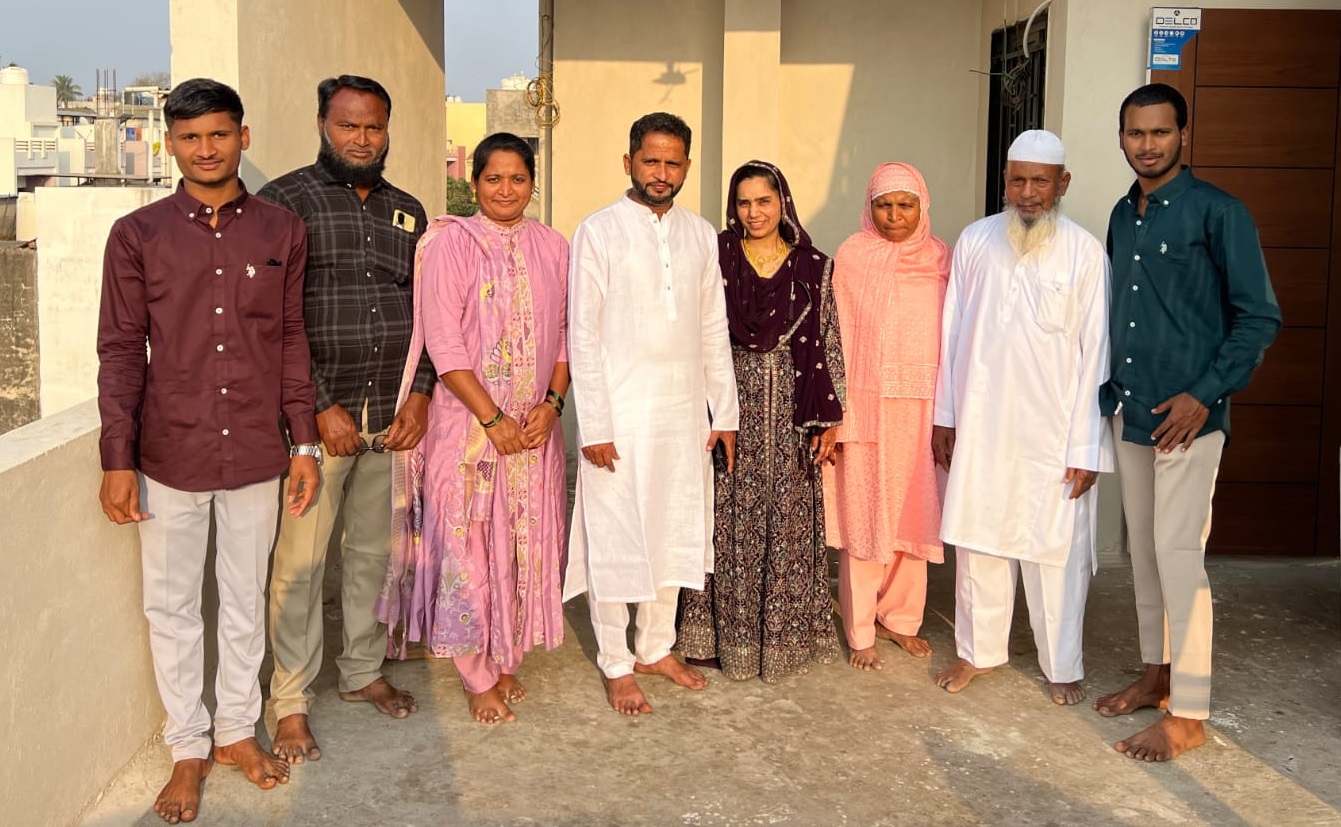
With determination and her husband’s unwavering support, the family consulted local revenue authorities, including the Talathi and Gram Panchayat officials. They were advised that all legal heirs — parents and siblings — must first be officially recorded. Accordingly, the names of three brothers and one sister were entered as heirs. Although the sister initially did not wish to claim her share, her name was formally registered, and she later executed a relinquishment deed. The property was then legally subdivided. At this stage, Asma’s husband chose to transfer his share to her through an affidavit, and the required fees — approximately INR 12,000 per guntha — were paid to complete the transfer. The land was successfully registered in Asma’s name.
However, legal success did not shield them from social backlash. Her husband was taunted with remarks suggesting he was controlled by his wife. There were ongoing tensions within extended family circles. Asma observed that many disputes arise from a lack of clarity between religious interpretations and constitutional legal provisions. Even community mediation efforts often fail to distinguish clearly between the two, creating confusion and resistance in cases involving women’s inheritance.
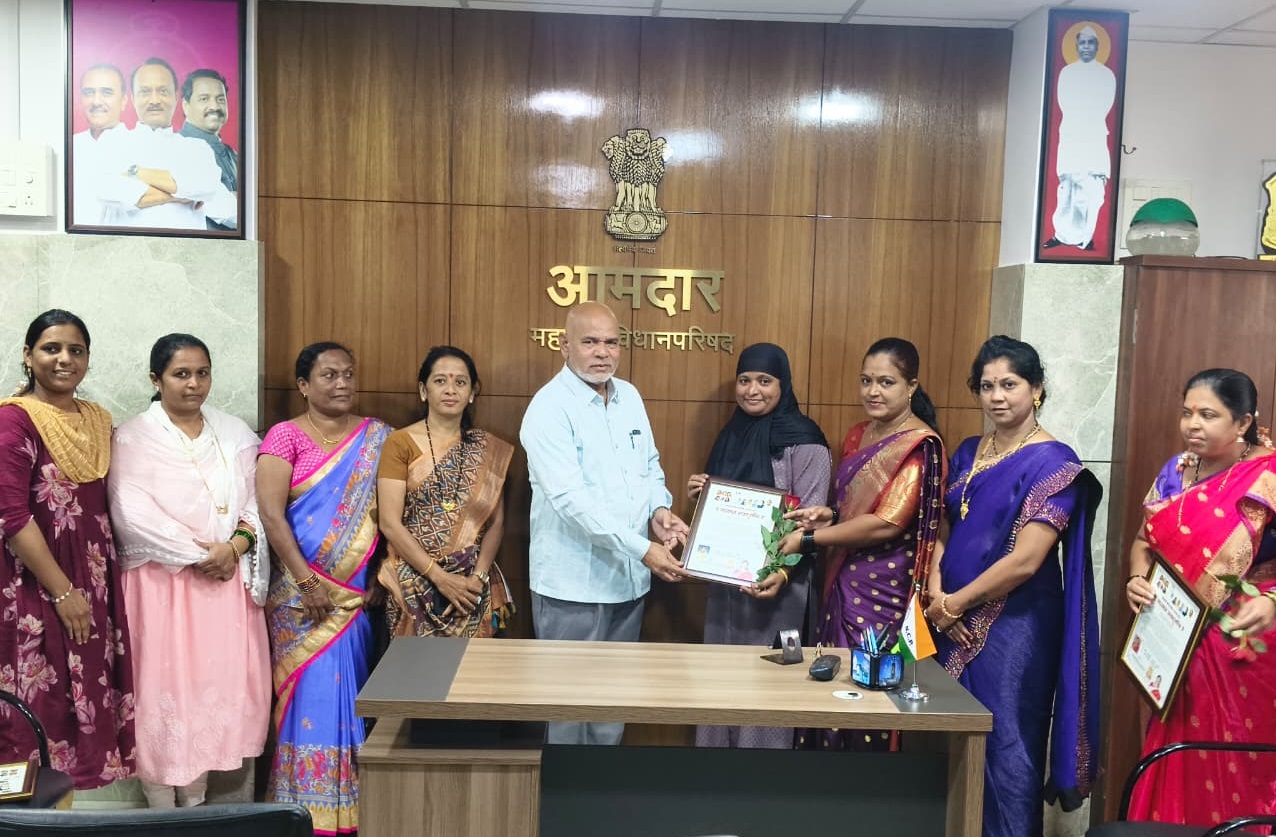
Despite these challenges, Asma’s journey stands as a powerful example of change rooted in courage and dialogue. She not only secured equal rights in her parental property but also ensured recognition in her marital home. By beginning with her own family, she transformed personal conviction into lived reality. Her story has inspired other women in Western Maharashtra to initiate conversations within their own households and has strengthened the credibility of the Women’s Equal Property Rights initiative.
Asma’s experience demonstrates that when awareness is combined with persistence and supportive allies within the family, women’s equal property rights are achievable — even in contexts shaped by strong patriarchal norms. Her journey affirms that sustainable social change often begins at home, with one courageous conversation.